Online Sports and Gaming Accounts: Understanding Access, Privacy and Personal Control
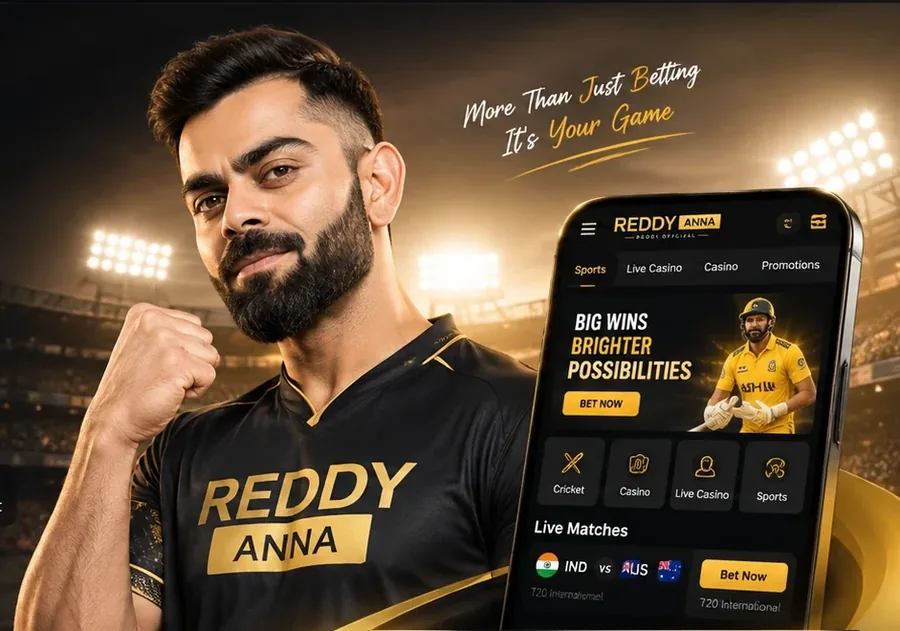
Using an online sports and gaming account can involve much more than simply entering a username and password. The information associated with an account may include personal details, identification records, previous activity and transaction information, depending on the provider. As a result, deciding whether to access an account involves privacy considerations even before entertainment becomes relevant. People following cricket or enjoying online games should establish what information is requested, what the account terms permit and how they can stop participating. A careful assessment begins by examining the relationship between the user and the operator, including the responsibilities accepted by both parties. Familiar branding, confident promotional messages and an uncomplicated sign-up process are not enough to resolve these concerns.
Separate Following Sport from Financial Participation
Information about cricket, conversations about matches, prediction games and betting involving money can be presented together, despite requiring very different forms of participation. Reading match results or talking about a cricket team creates a different level of financial risk from staking money on a result. Before deciding whether to use an account, determine exactly which activities the service offers. Is the account intended for sporting information, entertainment games, competitions requiring payment or activities involving bets? Broad labels such as “sports platform” can make the differences between these services difficult to identify. What matters most is understanding the activities available, any money that may be required and the possible financial losses. A clear understanding of the activity must take priority over the appearance or promotion of the service.
A strong interest in cricket can make services connected with the sport seem familiar and reassuring. However, knowledge of players, pitch conditions or tournament history cannot eliminate uncertainty from a match. Surprising individual performances, weather-related delays and developments during play may all affect the outcome. Confidence in sporting knowledge should therefore remain separate from expectations about financial returns. Claims implying that financial returns are predictable deserve careful scrutiny. Spending on entertainment should never rely on the belief that previous losses will eventually be recovered. When someone needs a sporting result to occur in order to meet necessary expenses, that level of financial involvement is unsuitable.
Understand What an Account Identifier Actually Represents
An account identifier usually functions as a reference linking particular activities to an individual profile. Such an identifier can help separate one user from another, support administrative processes or be included in records of transactions. However, an identifier alone does not establish that an operator is trustworthy or that its activities are appropriate. Terms including “cricket account” and “gaming ID” describe how access is organised, not independent standards demonstrating service quality. A clear account explanation should identify who controls the profile, whether security settings can be changed and how access can be recovered. Uncertainty about ownership may create serious practical difficulties if access is disrupted or personal information requires correction.
Accounts managed through another person require especially careful examination. If another person selects the password, maintains recovery access or manages the information linked to the profile, the person using the account may have little effective control. Shared access can also make it challenging to identify who completed a specific activity. Personal accounts should not be regarded as transferable possessions without first understanding the applicable conditions. Do not presume that an account reference obtained through an informal arrangement provides the same safeguards as a profile created and controlled directly by the user. What matters is whether the account user has the independent ability to secure the profile, restore access and arrange closure.
Examine the Account Conditions That Matter Most
Because detailed terms and conditions may be difficult to review, concentrate initially on rules that could directly affect the user. These include eligibility requirements, account suspension, identity verification, charges, balance adjustments and dispute procedures. Determine if separate activities carry different rules and if promotional offers introduce special requirements. Clear conditions should explain what happens if the operator considers an account inactive, duplicated or inconsistent with its requirements. Broad assurances about ease of use provide less practical value than clear details concerning possible account restrictions and any money connected with the profile. If a significant condition cannot be understood, the resulting uncertainty deserves consideration before participation.
Revisions to the conditions governing an account are another important consideration. Someone might initially accept particular conditions before later being presented with updated obligations. Review how changes are announced, when revised conditions become effective and whether users have a genuine opportunity to stop participating. Where financial commitments exist, retaining a record of the applicable account terms may be useful. Keeping this information may clarify the difference between what was initially accepted and what was understood afterwards. Even with a record of the terms, there is no assurance that a dispute will be settled in the user's favour. Its value lies in preserving an accurate understanding of the rules considered, the uncertainties identified and the obligations accepted.
Examine Privacy Requirements Before Submitting Identity Details
Some account processes involve requests for details intended to establish a user's identity or eligibility. Before sharing those details, establish why each item is necessary, how the information will be used and how long it may remain stored. Requests for identity documents should have clearly stated purposes rather than relying on general references to verification. Consider whether the process explains access restrictions, ways to correct information and arrangements for deletion. Providing unnecessary personal details can expand the amount of sensitive information exposed without strengthening account protection. Users should be able to distinguish between information required for a defined purpose and details requested simply because a form contains another field.
Document storage and handling should be examined just as carefully as the reason for requesting the information. An image of an identity document may contain a photograph, birth date, identification number and other personal details in one place. This combination may be more sensitive than an ordinary account name. Avoid providing documents through unexplained channels or allowing another person unrestricted access to personal files. If an unfamiliar documentation request arises during account recovery or a financial disagreement, stop and reconsider why it has appeared. An insistence on urgent action does not remove the need for understandable reasons. After sensitive details have been shared, regaining control of that information can be much harder than changing login credentials.
Strengthen Security Beyond the Initial Login Process
Although a secure password matters, account safety also relies on how access can be restored after a user becomes locked out. Choose a unique password that is not reused for other services, and activate additional authentication wherever it is available. The person who owns the account should retain control over its recovery settings and methods. Shared devices, stored login sessions and notifications visible to others may reveal information even when the password remains confidential. After accessing an account on a device available to others, sign out and check whether login details have been saved. Reliable account protection depends on both technical safeguards and regular user behaviour rather than a single security option selected at sign-up.
Never share a one-time authentication code with someone who claims it is required to secure or repair an account. A one-time code can permit access or approve an activity that affects account security. If an authentication prompt appears without explanation, pause before taking further action and consider what triggered it. Repeated failed login attempts, unfamiliar devices and unexplained changes to recovery settings are also reasons for concern. Where unauthorised access is suspected, prioritise securing associated login information and preserving records of the unusual activity. Opening several new profiles in response to an access problem can make it harder to clarify who owns an account, what activity occurred and how the situation developed.
Evaluate Promotional Balances Separately from Usable Money
Promotional balances may resemble ordinary money while being subject to substantially different conditions. A promotional benefit may involve eligibility conditions, deadlines, usage limitations or further spending requirements. Evaluate promotional terms in their entirety rather than relying on the most prominent reward amount. Establish the steps required to make a reward usable and consider whether fulfilling them would involve taking on additional financial risk. An advertised offer may provide little meaningful benefit if its requirements are inconsistent with how someone plans to participate. Participation should not increase merely because a reward is available or an offer is described as temporary.
Similarly, a balance shown on a screen should not automatically be considered money available for normal spending. Access to funds can depend on transaction procedures, verification requirements and limitations attached to the account, according to the applicable conditions. Recognise the difference between transactions that have been requested, those still pending and those already completed. Keep household finances separate from entertainment spending, and never rely on an uncertain payment to meet necessary obligations. If unexpected requests for extra payments appear before funds can supposedly be released, stop and examine the stated reason carefully. Making further payments in an attempt to resolve an unclear issue can compound the original risk without providing any certainty that the funds will become accessible.
Establish Personal Limits Before Participation Begins
Limits on participation generally work best when they are decided before the activity starts. Think about both financial expenditure and time commitments, including how participation might affect rest, work responsibilities, personal relationships and other activities. An affordable entertainment budget consists of money that could be lost without affecting essential needs or existing financial commitments. Loans and money allocated to essential needs remain unsuitable for financial participation, regardless of how confident someone feels about a match outcome. Time limits matter equally because repeated checking can continue occupying attention after an activity session appears to have finished. Personal boundaries should stay consistent when emotions rise instead of being repeatedly reconsidered in response to each outcome.
Warning signs may include attempting to recover losses, concealing participation, borrowing money to continue and constantly thinking about another session. Feeling irritable during a break or repeatedly exceeding planned limits may also indicate that participation is becoming harder to manage. Tools such as participation reminders, account suspension options and self-exclusion arrangements can help when available, but they are not substitutes for assessing personal behaviour. When participation begins to feel unmanageable, taking a break or stepping away is a reasonable response. Support from someone trustworthy or an appropriately qualified professional can help with the broader effects without making improvement dependent on future gaming outcomes.
Assess Operator Accountability Through Clear Processes and Documentation
An operator's accountability becomes easier to evaluate when a problem arises. Useful procedures describe how complaints or issues are recorded, what supporting information is necessary and how decisions may be reviewed. Broad statements about providing help offer less meaningful reassurance than a defined method of addressing concerns. Prior to participation, assess whether there are clear processes for handling profile errors, disagreements about account activity and requests to close an account. If a difficulty occurs, describe the circumstances accurately and factually. Specific information about timing, sums involved, payment status and disputed actions is more valuable than assumptions about motives. Organised records can help establish a coherent description of events even if the eventual outcome is uncertain.
The arrangements for closing an account deserve examination before anyone signs up. Find out whether closure immediately prevents access, how Reddy Anna platform outstanding matters are handled and whether information may still be retained under relevant requirements. Account termination does not necessarily mean the removal of personal data, because closure and information deletion involve separate actions. Eligibility conditions also require independent consideration, since successful registration does not resolve every question about whether participation is appropriate. If age limits, geographical conditions or restrictions on certain activities are uncertain, a completed online registration should not be treated as adequate assurance. Technical access to a service and a clear understanding of whether participation is permitted are separate matters.
Conclusion
Evaluating an online sports and gaming account requires considering personal control, information handling and financial exposure together. The most important questions concern the activities a service provides, who manages access, why personal information is collected and how participation can be ended. Clear terms, responsible security practices and consistent personal limits offer a more reliable foundation for decisions than familiar branding or excitement about promotions. Knowledge of cricket can make following the sport more enjoyable without creating any requirement for financial involvement. When essential conditions remain uncertain or unexplained, postponing a decision helps protect both privacy and personal choice. An account should be compatible with someone's understanding and established limits from the outset, rather than forcing them to recognise those limits after an avoidable difficulty.